Archives
- 2026-04
- 2026-03
- 2026-02
- 2026-01
- 2025-12
- 2025-11
- 2025-10
- 2025-09
- 2025-03
- 2025-02
- 2025-01
- 2024-12
- 2024-11
- 2024-10
- 2024-09
- 2024-08
- 2024-07
- 2024-06
- 2024-05
- 2024-04
- 2024-03
- 2024-02
- 2024-01
- 2023-12
- 2023-11
- 2023-10
- 2023-09
- 2023-08
- 2023-06
- 2023-05
- 2023-04
- 2023-03
- 2023-02
- 2023-01
- 2022-12
- 2022-11
- 2022-10
- 2022-09
- 2022-08
- 2022-07
- 2022-06
- 2022-05
- 2022-04
- 2022-03
- 2022-02
- 2022-01
- 2021-12
- 2021-11
- 2021-10
- 2021-09
- 2021-08
- 2021-07
- 2021-06
- 2021-05
- 2021-04
- 2021-03
- 2021-02
- 2021-01
- 2020-12
- 2020-11
- 2020-10
- 2020-09
- 2020-08
- 2020-07
- 2020-06
- 2020-05
- 2020-04
- 2020-03
- 2020-02
- 2020-01
- 2019-12
- 2019-11
- 2019-10
- 2019-09
- 2019-08
- 2019-07
- 2019-06
- 2019-05
- 2019-04
- 2018-11
- 2018-10
- 2018-07
-
br Visualizing single synaptic vesicle exocytosis at CNS
2021-10-07
Visualizing single synaptic vesicle Mirtazapine at CNS synapses We visualized the dynamics of individual synaptic vesicles as they fuse and immediately before fusion at the mammalian conventional synapses for the first time (Midorikawa and Sakaba, 2015). We use a calyx of Held terminal, a large
-
AR-C155858 The molecular formula of was determined to be
2021-10-07
The molecular formula of 2 was determined to be C20H26O5 on the basis of HRESI (−) MS data at m/z 345.1705 [M–H]− (calcd 345.1702 for C20H25O5). Detailed analysis of the 1H and 13C NMR data of 2 revealed similar fragments compared with desoxyarticulin (Faini et al., 1987) except for an additional hy
-
br Discussion Considering cardiovascular risk factors there
2021-10-07

Discussion Considering cardiovascular risk factors, there was a significant difference in prevalence of dyslipidemia in both groups, 57.5% in HIV-infected stroke patients compared to 8.9% in the HIV-uninfected patients. These results are similar to that of Chow et al. who found a dyslipidemia pre
-
Biliary tract cancers BTC are categorized into intrahepatic
2021-10-07
Biliary tract cancers (BTC) are categorized into intrahepatic, perihilar, extrahepatic BTC (or cholangiocarcinoma) as well as gallbladder cancer (GBC). Although the incidence of BTC is low in developed countries (3% of gastrointestinal cancers), BTC is the second most common primary liver tumor afte
-
br Introduction Lysine acetylation is an important post tran
2021-10-07
Introduction Lysine acetylation is an important post-translational modification that is found on numerous cellular proteins, including both histone and non-histone proteins [1], [2]. Dynamic acetylation and deacetylation is regulated by enzymes called histone acetyltransferases (HATs) as writers
-
br Conclusion Our data allow pharmacological
2021-10-07
Conclusion Our data allow pharmacological discrimination of diverse of H3 Dabrafenib Mesylate antagonists that can be linked to their differential efficacy in preclinical and clinical disease settings (Fig. 6). Moreover, we identify the sigma-1 receptor as a common “off target” for H3 antagonists
-
One limitation of our study was that
2021-10-07
One limitation of our study was that all control dogs had histologic evidence of mild GI inflammation according to established WSAVA guidelines (Washabau et al., 2010), despite being apparently healthy purpose-bred research dogs housed in a controlled environment with no history of vomiting, diarrhe
-
The inhibition of HDAC increases the level of histone acetyl
2021-10-07
The inhibition of HDAC increases the level of histone acetylation and consequently turns the chromatin to be loose and active, allowing multiple transcription factors to access to promoters of diverse genes including tumor suppressor genes []. As compound possessed potent HDAC inhibitory activity a
-
Due to the importance of gene regulation in
2021-10-07
Due to the importance of gene regulation in cancers, HDAC inhibitors have been studied extensively in cancer biology and are in current clinical use as anti-tumor therapies [17]. The HDAC inhibitors vorinostat, romidepsin, and belinostat have been approved for certain T-cell lymphomas, and panobinos
-
br Conclusions and future perspectives br Declarations of in
2021-10-07
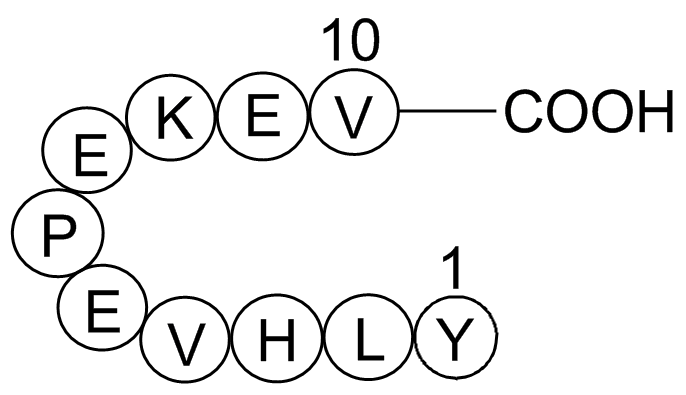
Conclusions and future perspectives Declarations of interest Acknowledgements The authors thank Mrs. Kamala Pandey for the help in the preparation of this manuscript. This work was supported by NIH grants R01HL057531 and R01HL062147. Introduction Separation of short exons by long non-co
-
In human platelets only and isoforms
2021-10-07
In human platelets, only α1 and β1 isoforms of sGC are expressed in equimolar concentrations (3700 copies for β1, and 3500 copies for α1 per platelet) [57] [62]. sGC, is usually a heterodimer and contains heme as cofactor which is required for high-affinity NO binding and stimulation of its activity
-
Lactate induced GPR activation was confirmed with a fluorime
2021-10-07
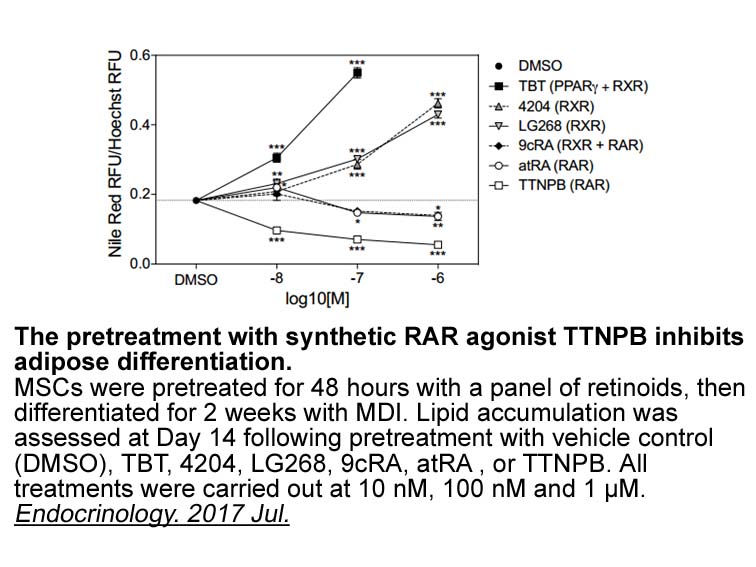
Lactate-induced GPR81 activation was confirmed with a fluorimetric imaging plate reader (FLIPR) assay, in which lactate induced a [Ca2+] flux in CHO cells stably expressing Gqi5 and HA-GPR81 but not vector control (Fig. 1C). The EC50 of lactate in the FLIPR assay was 4.3±0.73mM, a value well within
-
Polyunsaturated fatty acids PUFAs represent a class
2021-10-06
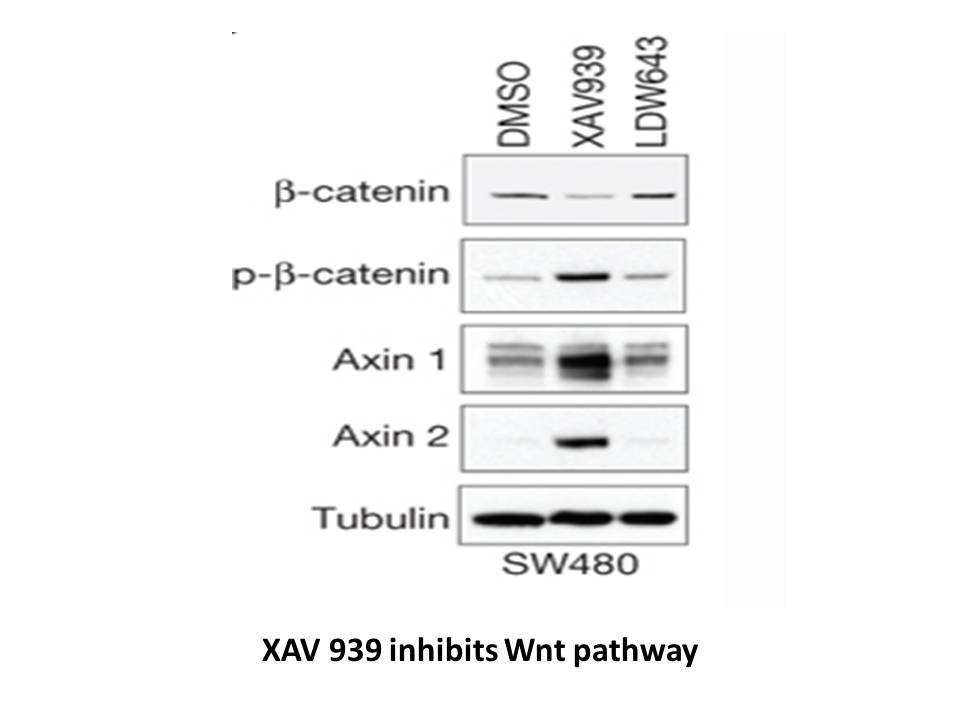
Polyunsaturated fatty acids (PUFAs) represent a class of lipids that contain two or more carbon double (unsaturated) bonds (CC) and classified as n-3, n-6 and n-9 fatty acids. PUFAs including n-3 such as docosahexaenoic valdecoxib mg (DHA), eicosapentaenoic acid (EPA) and n-6 such as arachidonic ac
-
br Cell origin The ontogeny of astrocytes in vitro
2021-10-06
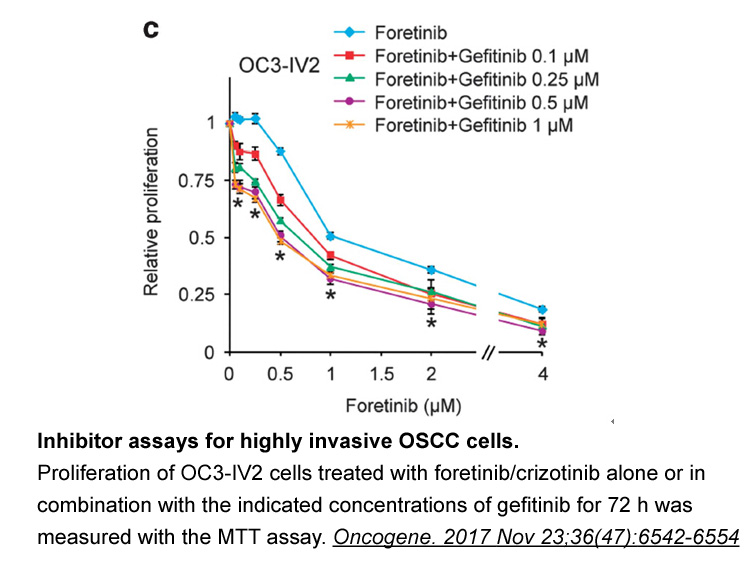
Cell origin The ontogeny of astrocytes in vitro has been investigated in detail; Raff et al. (1983) characterised two types of astrocytes: type 1 being fibroblast-like in morphology and poorly labelled with a monoclonal antibody (AB25), whereas type 2 exhibited oligodendrocyte or neuron-like morp
-
GIPR genes were not found in any of the available
2021-10-06
GIPR genes were not found in any of the available bird genome as well as the genomes of several species of fish (Tables S3 and S4). The genomic neighborhoods surrounding the GIPR genes in species that have them was generally conserved (see Fig. 8), and like GLP2R, those fish that did have a Gipr gen
15815 records 556/1055 page Previous Next First page 上5页 556557558559560 下5页 Last page