Archives
- 2026-09
- 2026-08
- 2026-07
- 2026-06
- 2026-05
- 2026-04
- 2026-03
- 2026-02
- 2026-01
- 2025-12
- 2025-11
- 2025-10
- 2025-09
- 2025-03
- 2025-02
- 2025-01
- 2024-12
- 2024-11
- 2024-10
- 2024-09
- 2024-08
- 2024-07
- 2024-06
- 2024-05
- 2024-04
- 2024-03
- 2024-02
- 2024-01
- 2023-12
- 2023-11
- 2023-10
- 2023-09
- 2023-08
- 2023-06
- 2023-05
- 2023-04
- 2023-03
- 2023-02
- 2023-01
- 2022-12
- 2022-11
- 2022-10
- 2022-09
- 2022-08
- 2022-07
- 2022-06
- 2022-05
- 2022-04
- 2022-03
- 2022-02
- 2022-01
-
Ning et al showed that LPC appeared to
2022-01-03
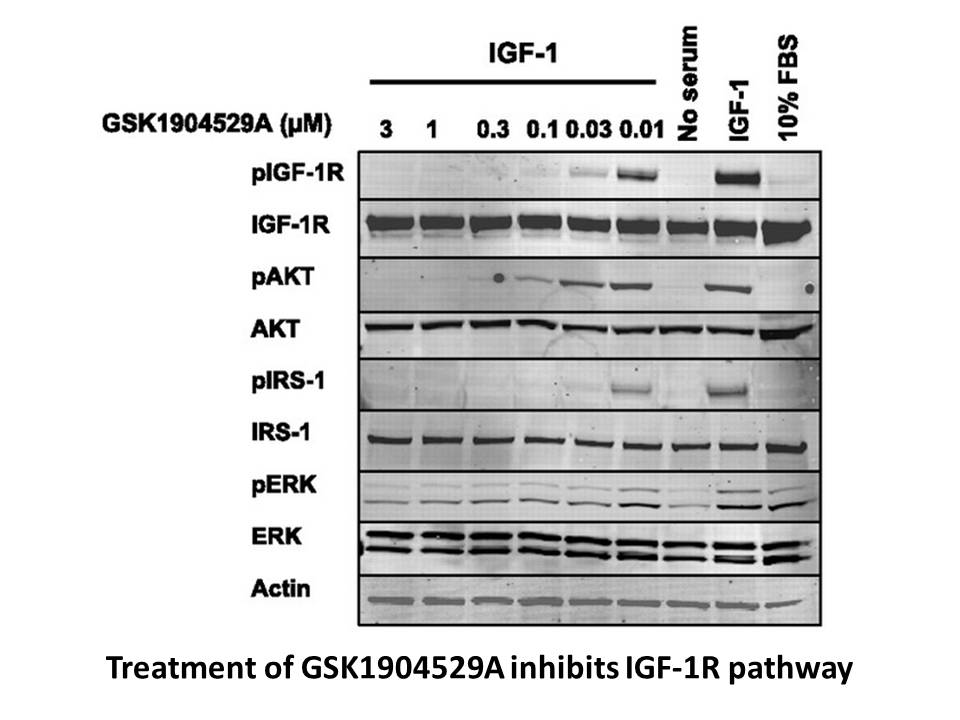
Ning et al. showed that LPC 18:1 appeared to increase insulin release through both GPR119-dependent and -independent mechanisms (Ning et al., 2008). In our study, we have shown that not only GPR119 but also GPR40 and GPR55 participate in LPC-stimulated insulin secretion (Fig. 4, Fig. 5) and target p
-
Our present data together with other
2022-01-03

Our present data together with other studies have shown that the communication of stroma and cancer cells via ECM-cell interaction led to the primary activation of FAK [41]. Here we propose a model depicting an important role of ADAM12-L in the regulation of ESCC invasion and metastasis. ADAM12-L ov
-
Over of all melanomas have activating BRAF mutations and
2022-01-03
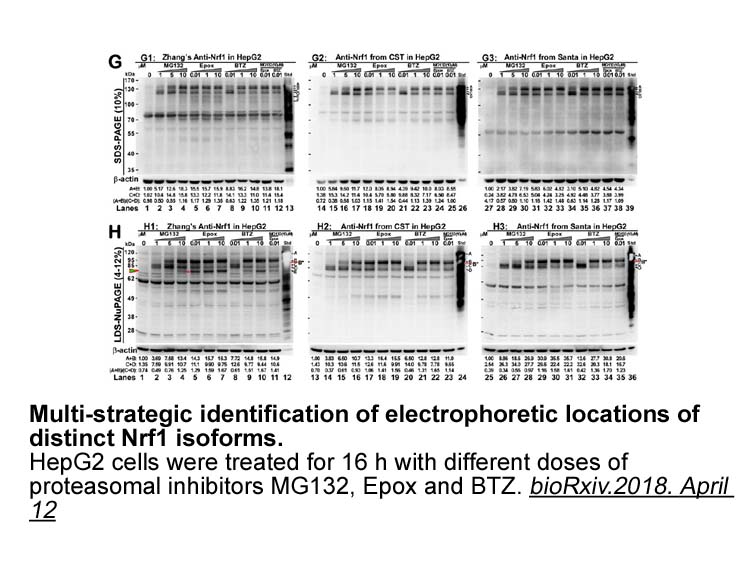
Over 50% of all melanomas have activating BRAF mutations [29] and inhibition of the Ras/Raf/MEK/ERK signaling pathways is one of the most promising treatments for malignant melanoma [30]. However, studies using BRAF inhibitors have identified various feedback mechanisms to activate BRAF pathway in m
-
In the previous study concerning
2022-01-03
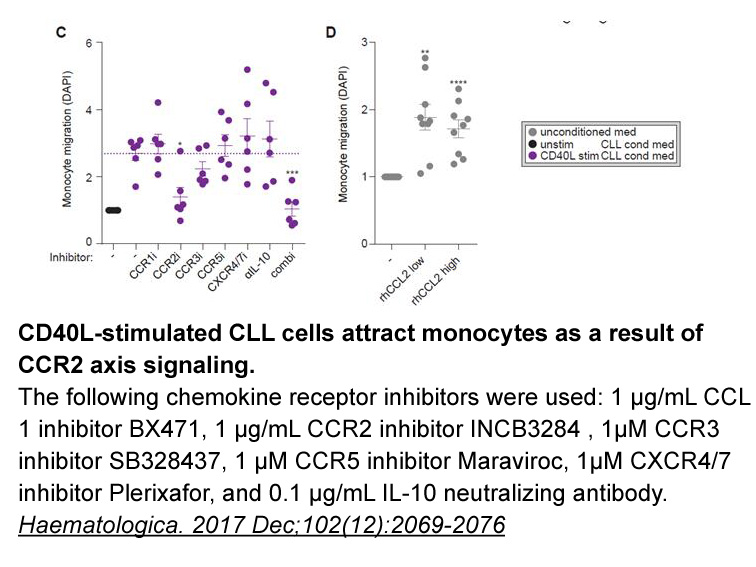
In the previous study concerning HO-1-mediated inhibtion of HCV replication, the mechanism underlying IFN-α/β indcuction by HO-1 involved in HO-1-catalyzed heme metabolic product, biliverdin (Zhu et al., 2010; Lehmann et al., 2010). However, in the present study SnPP, an inhibitor of HO-1 enzymatic
-
To prevent toxicity of free hemoglobin
2022-01-03
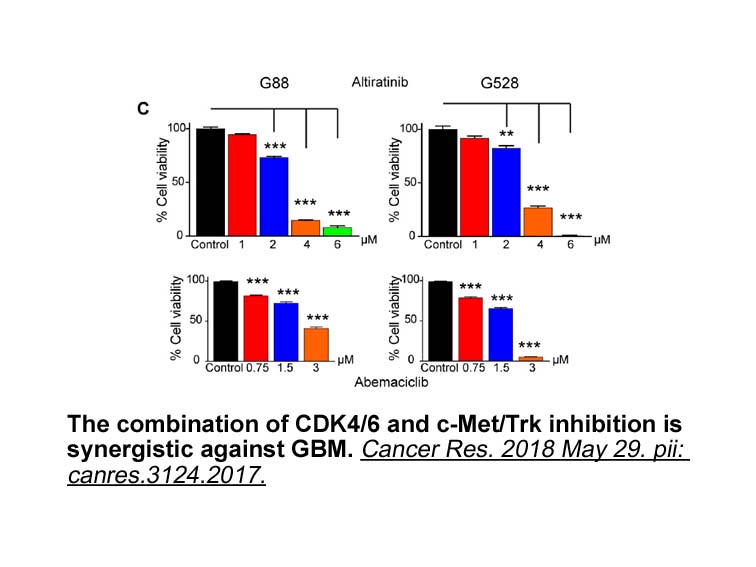
To prevent toxicity of free hemoglobin as well as its degradation metabolites heme and free iron, several scavenger proteins and degradation enzymes protect the body. Haptoglobin (Hp) is the most well described hemoglobin scavenging protein that binds free hemoglobin and transports it to macrophages
7790 records 520/520 page Previous First page 上5页 516517518519520