Archives
- 2026-07
- 2026-06
- 2026-05
- 2026-04
- 2026-03
- 2026-02
- 2026-01
- 2025-12
- 2025-11
- 2025-10
- 2025-09
- 2025-03
- 2025-02
- 2025-01
- 2024-12
- 2024-11
- 2024-10
- 2024-09
- 2024-08
- 2024-07
- 2024-06
- 2024-05
- 2024-04
- 2024-03
- 2024-02
- 2024-01
- 2023-12
- 2023-11
- 2023-10
- 2023-09
- 2023-08
- 2023-06
- 2023-05
- 2023-04
- 2023-03
- 2023-02
- 2023-01
- 2022-12
- 2022-11
- 2022-10
- 2022-09
- 2022-08
- 2022-07
- 2022-06
- 2022-05
- 2022-04
- 2022-03
- 2022-02
- 2022-01
- 2021-12
- 2021-11
- 2021-10
- 2021-09
- 2021-08
- 2021-07
- 2021-06
- 2021-05
- 2021-04
- 2021-03
- 2021-02
- 2021-01
- 2020-12
- 2020-11
- 2020-10
- 2020-09
- 2020-08
- 2020-07
- 2020-06
- 2020-05
- 2020-04
- 2020-03
- 2020-02
- 2020-01
- 2019-12
- 2019-11
- 2019-10
- 2019-09
- 2019-08
- 2019-07
- 2019-06
- 2019-05
- 2019-04
- 2018-11
- 2018-10
- 2018-07
-
br Introduction Our understanding of how ligands interact wi
2020-10-06
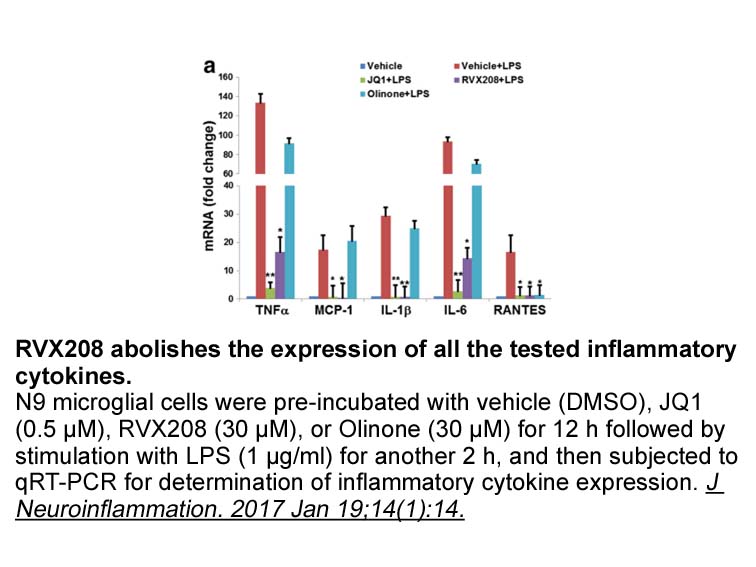
Introduction Our understanding of how ligands interact with G protein coupled receptors is evolving, particularly the recognition that some have the ability to preferentially activate a subset of intracellular signalling cascades – so called pathway biased ligands [1]. Additionally, it is now acc
-
Merimepodib The identification of a gatekeeper mutation also
2020-10-05
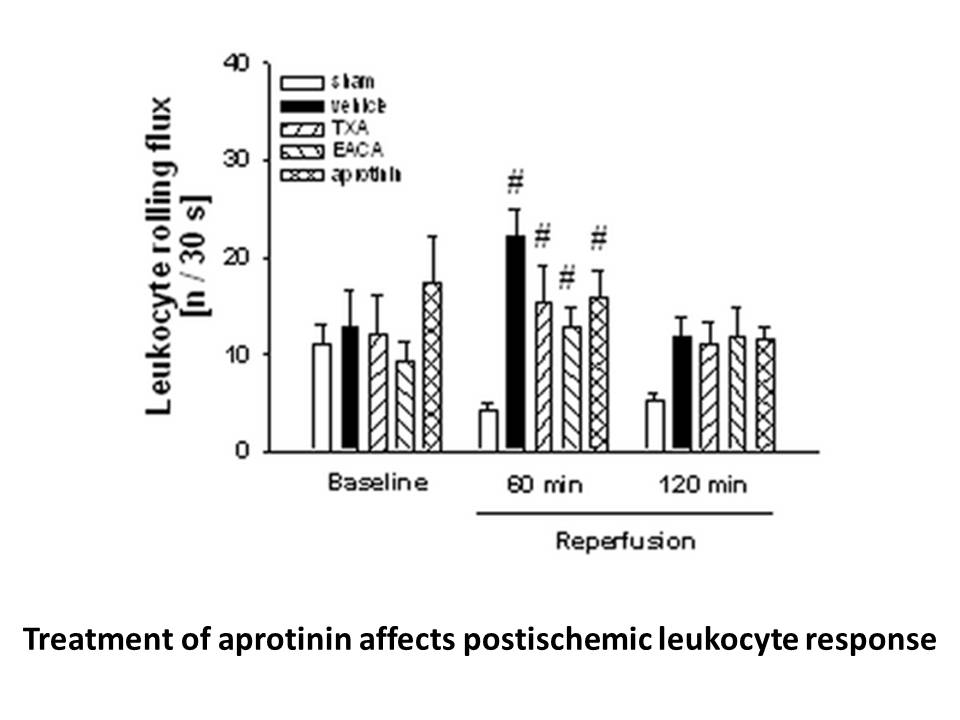
The identification of a gatekeeper Merimepodib also suggests that alternative DDR2 inhibitors may be required to overcome acquired resistance. Additional DDR2 inhibitors that have been isolated include the recently identified alkaloid natural products discoipyrroles A-D and the chemotherapeutic Act
-
Collagen X is a homotrimeric molecule of
2020-10-05
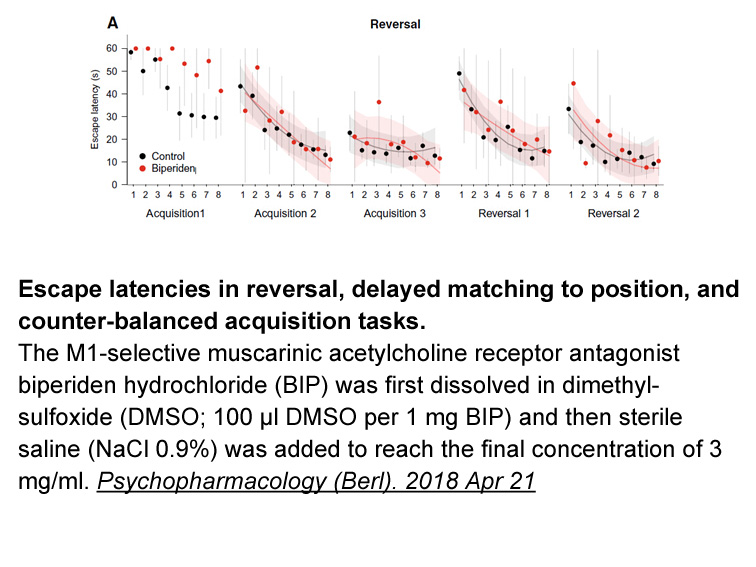
Collagen X is a homotrimeric molecule of three α1(X) chains (Mr 59 kDa) comprising a 45 kDa triple-helical domain flanked by an N-terminal (NC2) and a larger C-terminal (NC1) non-collagenous domains (Shen, 2005). In the hypertrophic ECM, collagen X most likely forms an extended hexagonal network, as
-
br Non cyclic nucleotide EPAC regulators Despite the success
2020-10-01
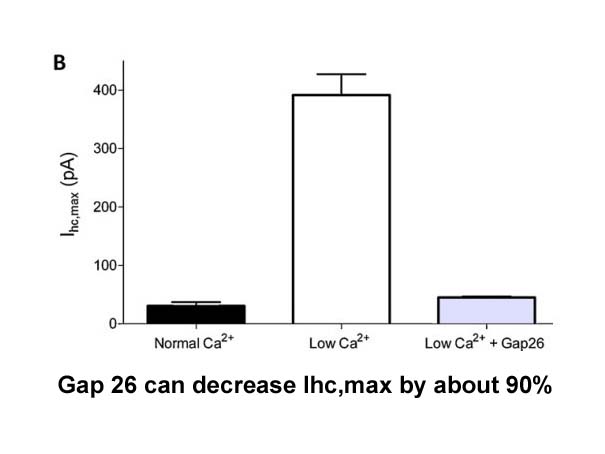
Non-cyclic nucleotide EPAC regulators Despite the success of 007 as a tool molecule, few studies to date have led to the identification of further EPAC-selective agonists. The most studied and controversial group of small-molecule EPAC regulators are the sulfonylurea (SU) family. SUs (Table 1) su
-
br Transparency document br Introduction Cigarette smoke is
2020-09-30
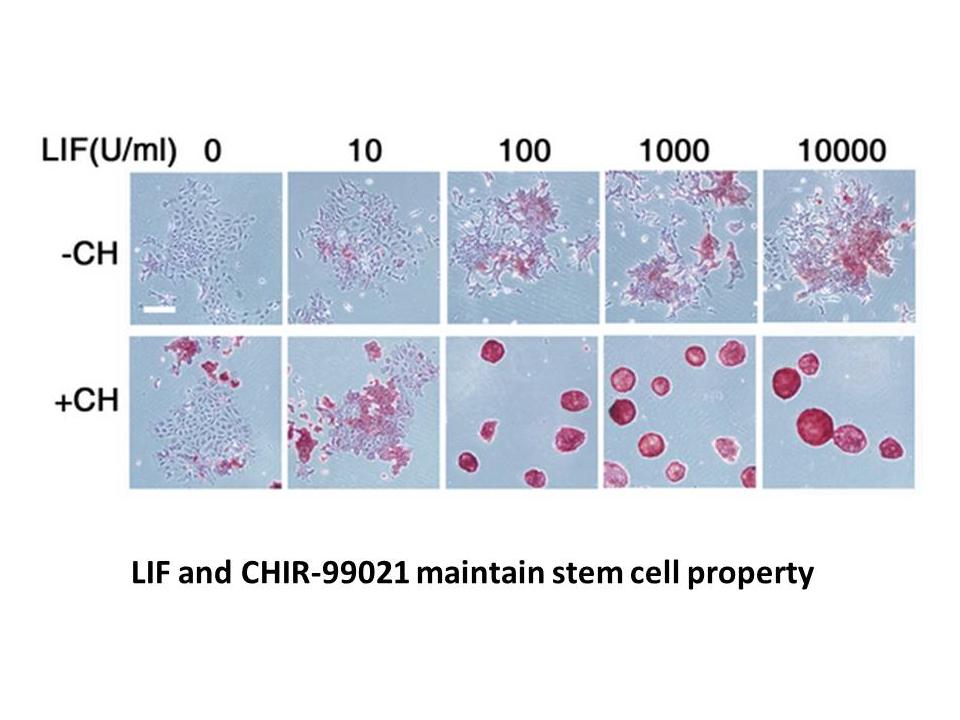
Transparency document Introduction Cigarette smoke is modifiable factors to alter the neurovascular functions. Now a day, cigarette smoking in public place is offense due to toxic exposure cause the neurological and respiratory system damage to non-smoker population [1]. A literature survey ex
-
The rate of protein degradation is often affected by
2020-09-30
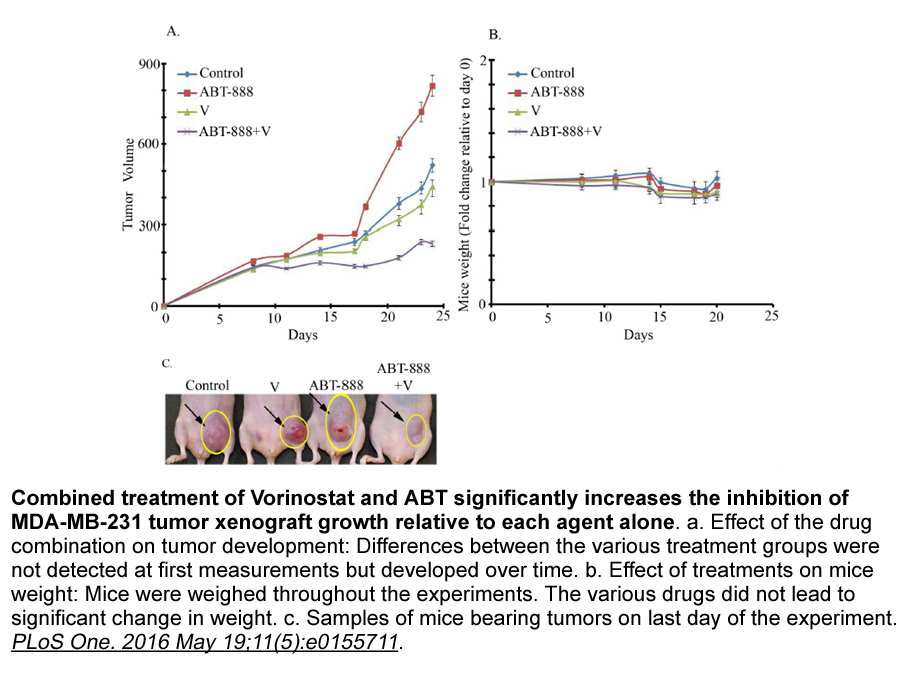
The rate of protein degradation is often affected by N-starvation [12], therefore, we examined the influence of N-starvation against the appearance of CEPs. N-starved cucumber cotyledons contained less amounts of protein and Rubisco, but the temporal changes in protein and Rubisco contents were simi
-
Emphysema is an important component of COPD which is
2020-09-30
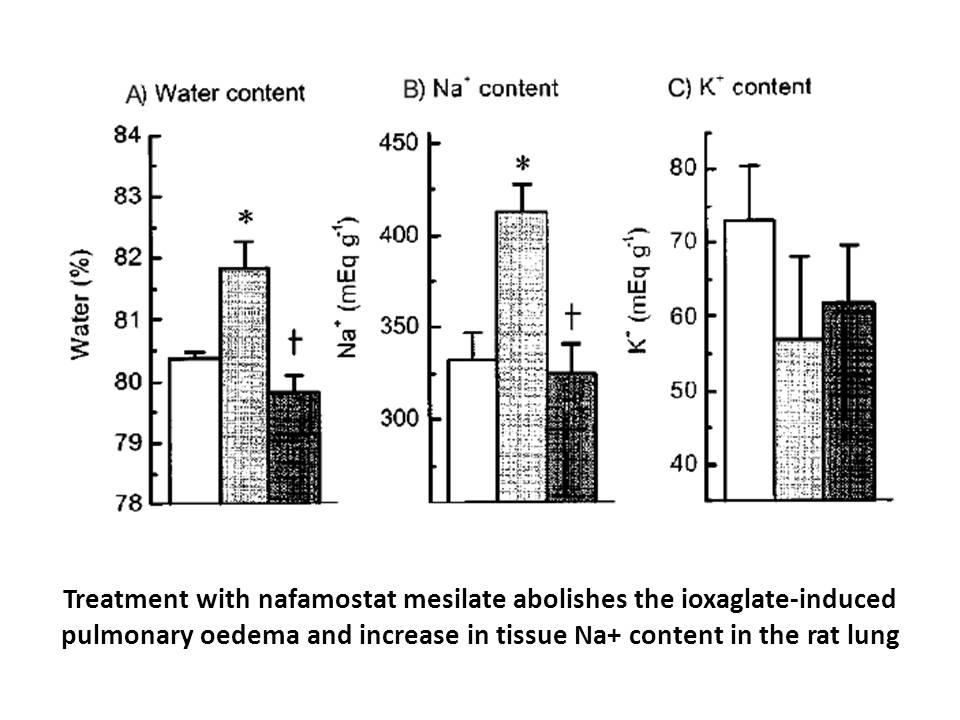
Emphysema is an important component of COPD, which is responsible for airflow limitation. In the present study, a significant airspace enlargement was observed 21 days after elastase administration. Interestingly, daily administration of olaparib provided greater protection against emphysema as comp
-
cgrp Herbal products may alter the metabolism of certain
2020-09-30
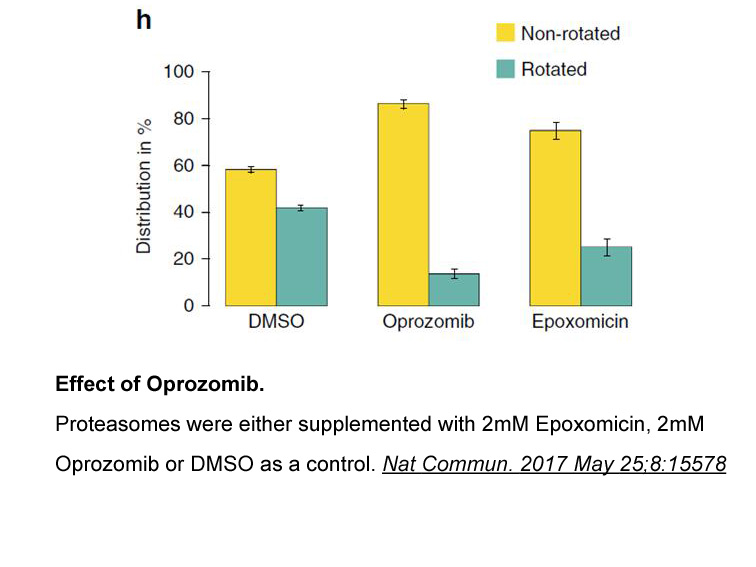
Herbal products may alter the metabolism of certain drugs and, likewise, the metabolism of components of herbal products may be altered by some drugs, specifically those that affect cytochrome P450 cgrp (CYP). These can bring about an alteration of the pharmacokinetics and pharmacological activity o
-
Enterobacteriaceae are gram negative rods that include
2020-09-29
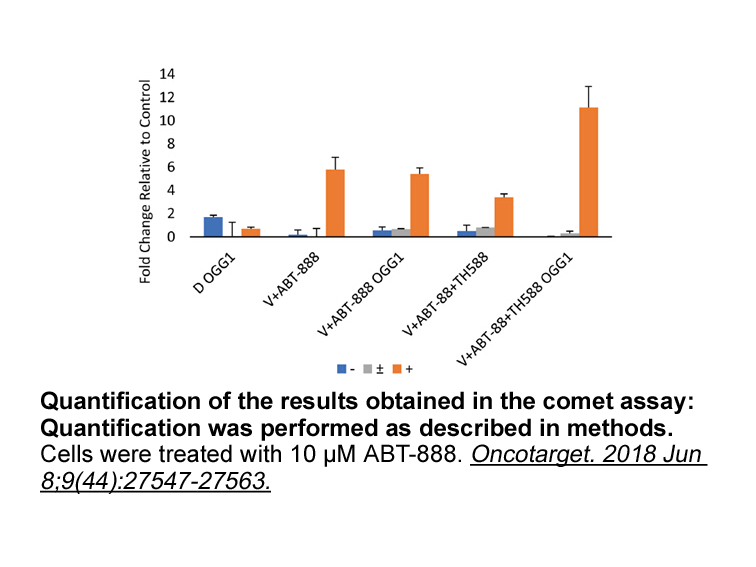
Enterobacteriaceae are gram negative rods that include the Escherichia coli and Shigella. There are several DNA ligases posted on the GenBank belong mostly to Enterobacteria phages, such as the T4 bacteriophage [30]. There are several protein markers used to differentiate between T4 phage superfamil
-
tachykinins DGK is highly expressed in
2020-09-29
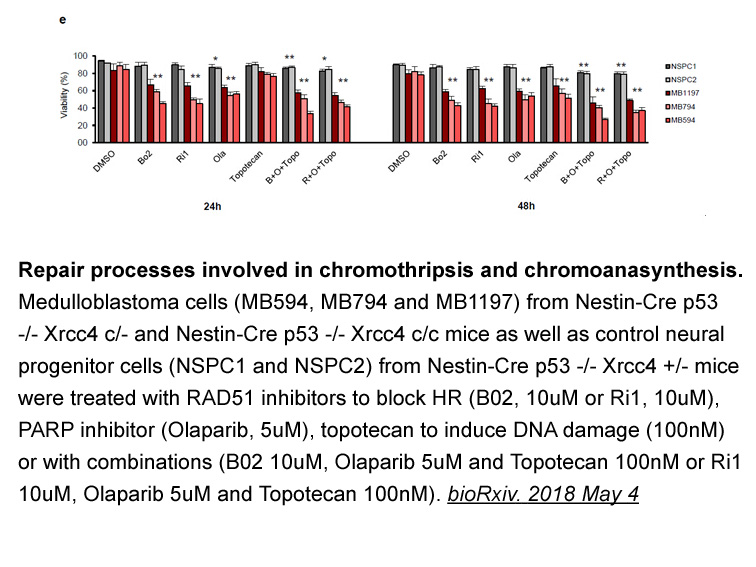
DGKδ is highly expressed in skeletal muscle [7], which is a primary target of insulin for glucose disposal [14]. Notably, Chibalin et al. reported that DGKδ contributes to hyperglycemia-induced peripheral insulin resistance and that decreased protein levels of DGKδ in skeletal muscle attenuated gluc
-
In conclusion over expression of Stokesia epoxygenase SlEPX
2020-09-29
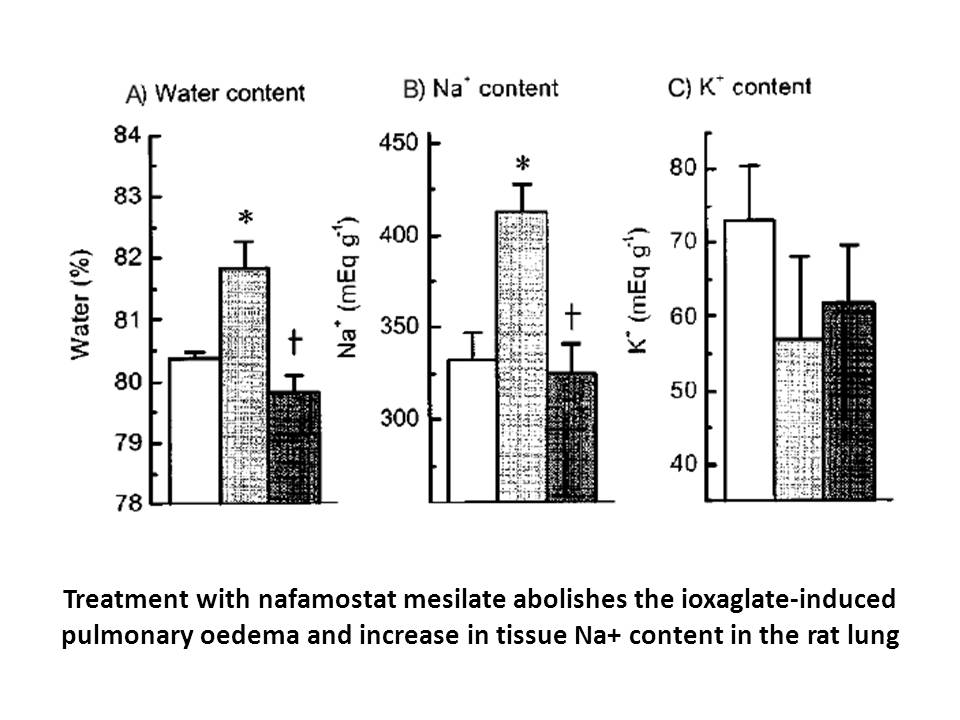
In conclusion, over-expression of Stokesia epoxygenase (SlEPX) in soybean seeds led to some unusual seed phenotypes. These effects can be overcome by coexpression of Vernonia DGATs (VgDGAT1 & 2). The DGATs can specifically transfer vernolic xylometazoline mg into TAG, largely reducing vernolic acid
-
Significantly less is known about regulation
2020-09-29
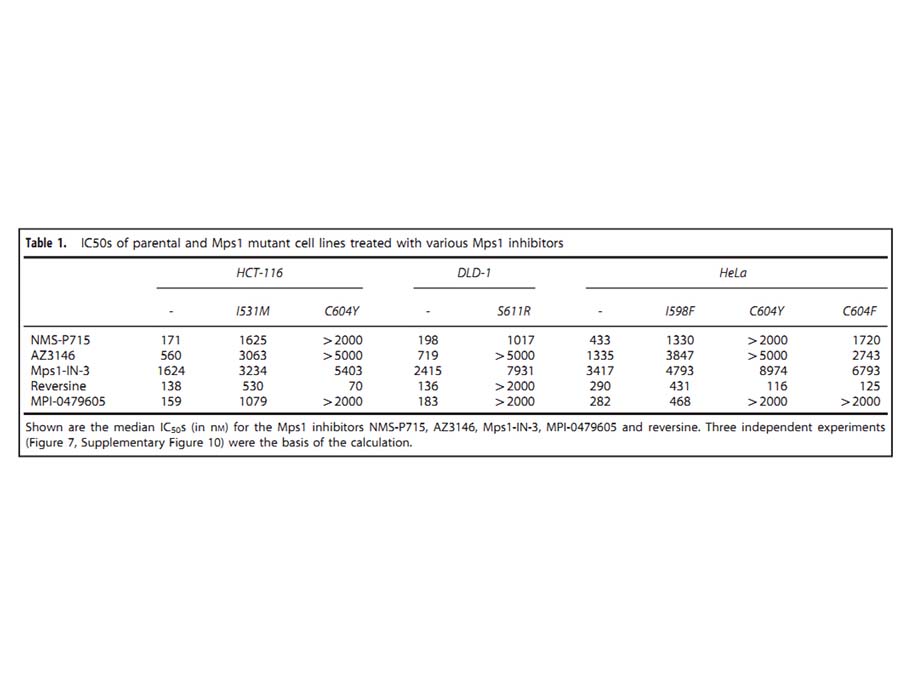
Significantly less is known about regulation of phytocystatin gene expression. A genomic clone corresponding to the barley cystatin Icy gene has been characterized (Gaddour et al., 2001) and the function of its promoter region has been analysed by Martínez et al. (2005b). Bioinformatic analysis of t
-
We also identified a role
2020-09-29
We also identified a role for the transcription factor p53 in the regulation of the Crm1 promoter. p53 can activate or repress the transcription of target genes. While activation generally occurs through binding of p53 to its consensus binding site in the promoter region of target genes, for example
-
br Materials and methods br Acknowledgements We thank
2020-09-29
Materials and methods Acknowledgements We thank Drs. Nathan Sherer (University of Wisconsin-Madison) and Bryan Cullen (Duke University) for generous reagent gifts. The following reagent was obtained through the NIH AIDS Reagent Program, Division of AIDS, NIAID, NIH: HIV-2ROD phage from Dr. Ron
-
A related cell based approach was used to
2020-09-29

A related, cell-based approach was used to test the functionality of the various HIV Rev fusions, but in a trans-complementation assay using 293T producers transfected with both VSV G and a Rev-deficient HIV reporter vector encoding both FFLUC and bsd (Fig. 2C). As expected, the non-fused, full-leng
15996 records 771/1067 page Previous Next First page 上5页 771772773774775 下5页 Last page