Archives
- 2026-07
- 2026-06
- 2026-05
- 2026-04
- 2026-03
- 2026-02
- 2026-01
- 2025-12
- 2025-11
- 2025-10
- 2025-09
- 2025-03
- 2025-02
- 2025-01
- 2024-12
- 2024-11
- 2024-10
- 2024-09
- 2024-08
- 2024-07
- 2024-06
- 2024-05
- 2024-04
- 2024-03
- 2024-02
- 2024-01
- 2023-12
- 2023-11
- 2023-10
- 2023-09
- 2023-08
- 2023-06
- 2023-05
- 2023-04
- 2023-03
- 2023-02
- 2023-01
- 2022-12
- 2022-11
- 2022-10
- 2022-09
- 2022-08
- 2022-07
- 2022-06
- 2022-05
- 2022-04
- 2022-03
- 2022-02
- 2022-01
- 2021-12
- 2021-11
- 2021-10
- 2021-09
- 2021-08
- 2021-07
- 2021-06
- 2021-05
- 2021-04
- 2021-03
- 2021-02
- 2021-01
- 2020-12
- 2020-11
- 2020-10
- 2020-09
- 2020-08
- 2020-07
- 2020-06
- 2020-05
- 2020-04
- 2020-03
- 2020-02
- 2020-01
- 2019-12
- 2019-11
- 2019-10
- 2019-09
- 2019-08
- 2019-07
- 2019-06
- 2019-05
- 2019-04
- 2018-11
- 2018-10
- 2018-07
-
br Materials and methods br Results
2021-12-10
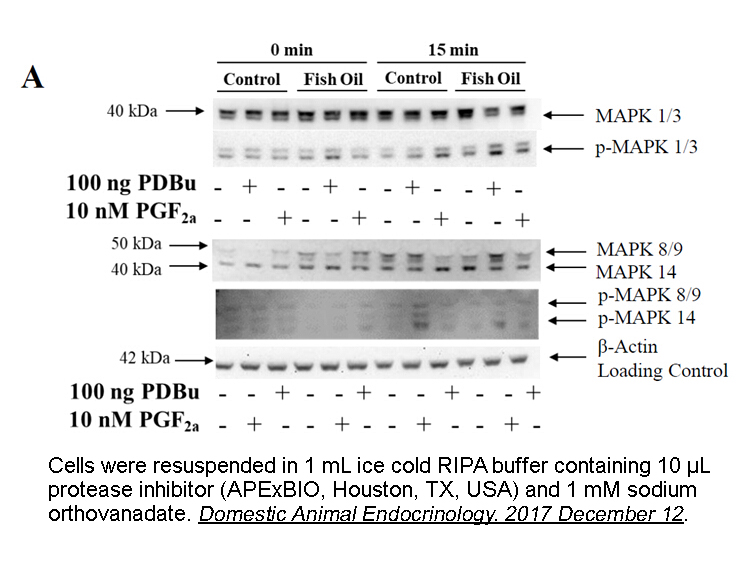
Materials and methods Results Discussion Both EMT of the tubular epithelial Sildenafil Citrate mg and the activation of fibroblasts are critical factors in the pathogenesis and progression of renal interstitial fibrosis. Accumulating evidence implicates EMT in the onset and pathogenesis of
-
Otilonium Bromide It appears that different agonists
2021-12-09
It appears that different agonists for GPR55 activate different signalling pathways [25]. GPR55 activation through LPI has been shown to trigger ERK 1/2 phosphorylation 22, 23, 25, 33. Conversely, endogenous cannabinoid compounds AEA and 2-AG have been shown to have no effect on ERK 1/2 signalling 2
-
PPDA br The methyl aspartate receptor NMDAr
2021-12-09
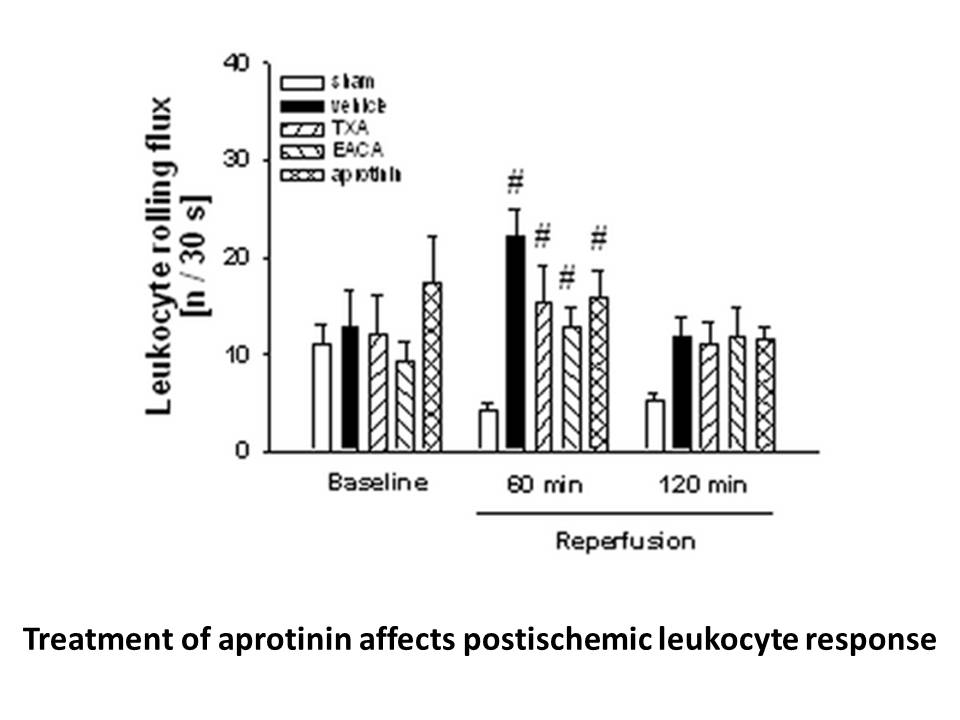
The -methyl--aspartate receptor (NMDAr) hypofunction hypothesis of schizophrenia correlates disease symptomology with glutamatergic neurotransmission dysfunction., , , Therefore, inhibition of glycine transporter 1 (GlyT1) to elevate synaptic levels of glycine and potentiate NMDAr signaling is a
-
The regulatory effects of NADPH oxidase on ferroptosis
2021-12-09
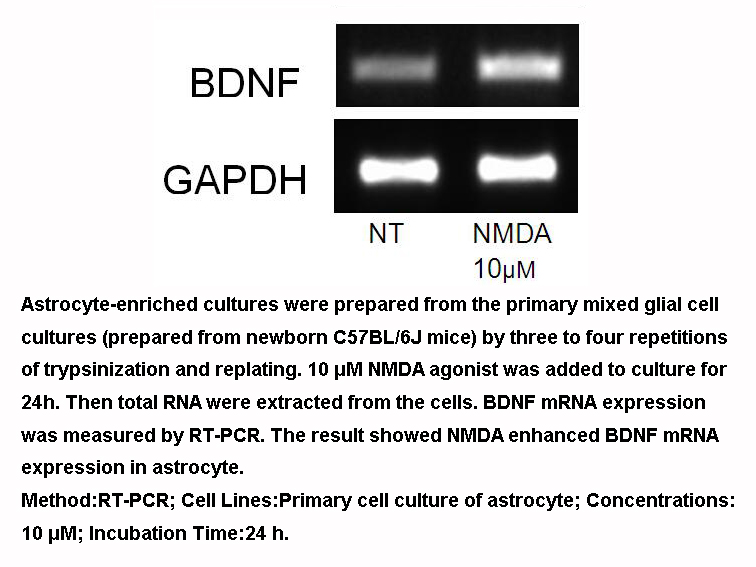
The regulatory effects of NADPH oxidase on ferroptosis might also relate to neuroinflammation. Although ferroptosis can trigger inflammatory responses in the brain, neuroinflammation, in turn, can also modify ferroptosis. It has been reported that inflammatory conditions such as those found in neuro
-
340 7 Here we report a new human
2021-12-09
Here, we report a new human genetic disorder in a patient with hypoalgesia, altered fear and memory symptoms, and a non-anxious disposition. This disorder is attributable to co-inheritance of a microdeletion in a novel pseudogene and a known FAAH hypomorphic SNP. The microdeletion is flanked by repe
-
We reveal that the four well known
2021-12-09
We reveal that the four well known vertebrate families of KAT enzymes (GNAT, MYST, P300/CBP, Basal transcription factor/nuclear receptor co-activator) seem to be conserved (Karmodiya et al., 2014; Roth et al., 2001; Sheikh & Akhtar, 2018) in the mangrove rivulus, together with Camello, a potential n
-
Studies utilising GPR mice however report
2021-12-08
Studies utilising GPR55−/− mice, however, report different effects of GPR55 on body weight and insulin sensitivity. Genetic deletion of GPR55 appears to have no effect on overall body weight 5, 6, 7. However, one of these studies found increased fat deposition and insulin resistance in GPR55−/− mice
-
Resolving the molecular details of
2021-12-08
Resolving the molecular details of (glyco)proteome variation in different tissues and organs of the human body is critical for the understanding of human biology and disease [59]. Glycoproteomic analysis of disease-related tissues and cells has provided valuable information to identify promising tar
-
Deregulation of HH signaling pathway
2021-12-08
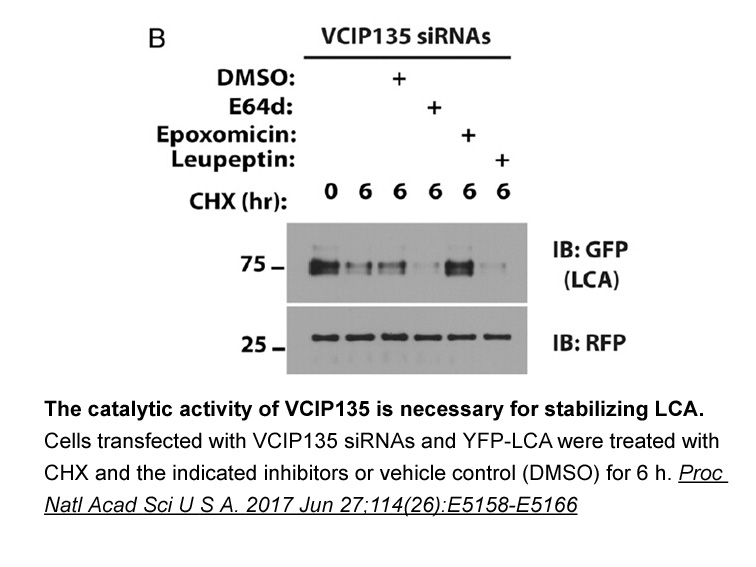
Deregulation of HH signaling pathway in epidermal keratinocytes is a primary event leading to the formation of BCC (see above). Overexpression of SHH in HaCaT keratinocytes grown in organotypic cultures induces a basal cell phenotype and increases invasiveness. This behavior is linked to increased E
-
Therefore as it stands presenilin has a secretase independen
2021-12-08
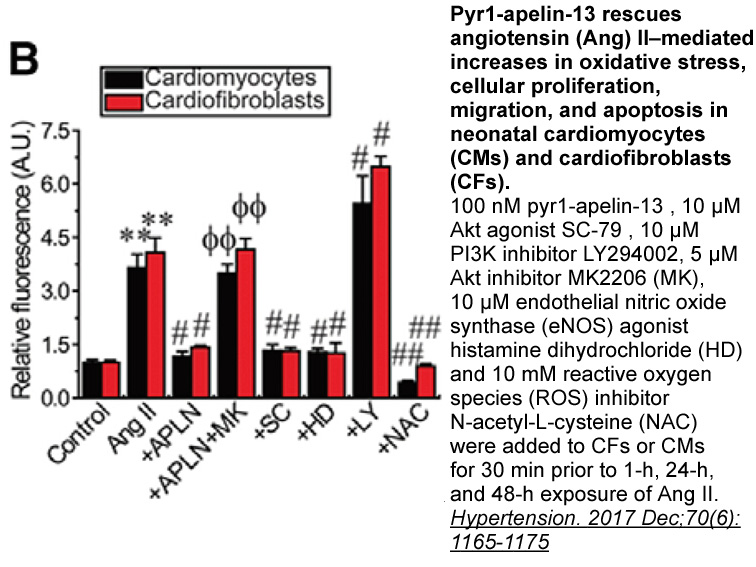
Therefore as it stands, presenilin has a γ-secretase-independent role in regulating protein trafficking, proteolysis and degradation, however given that inhibition of γ-secretase activity can have a negative effect on protein trafficking [69], [98], we cannot exclude the possibility that some of th
-
Zn is the second most abundant trace metal
2021-12-08

Zn2+ is the second most abundant trace metal in many cells and neurons in the brain. It regulates cellular functions such as gene expression, epigenetic enzymatic activity, protein structural stability, and neuronal plasticity. Zn2+ is particularly abundant in the cortex and limbic system, including
-
br Materials and methods br Results and discussion br
2021-12-08
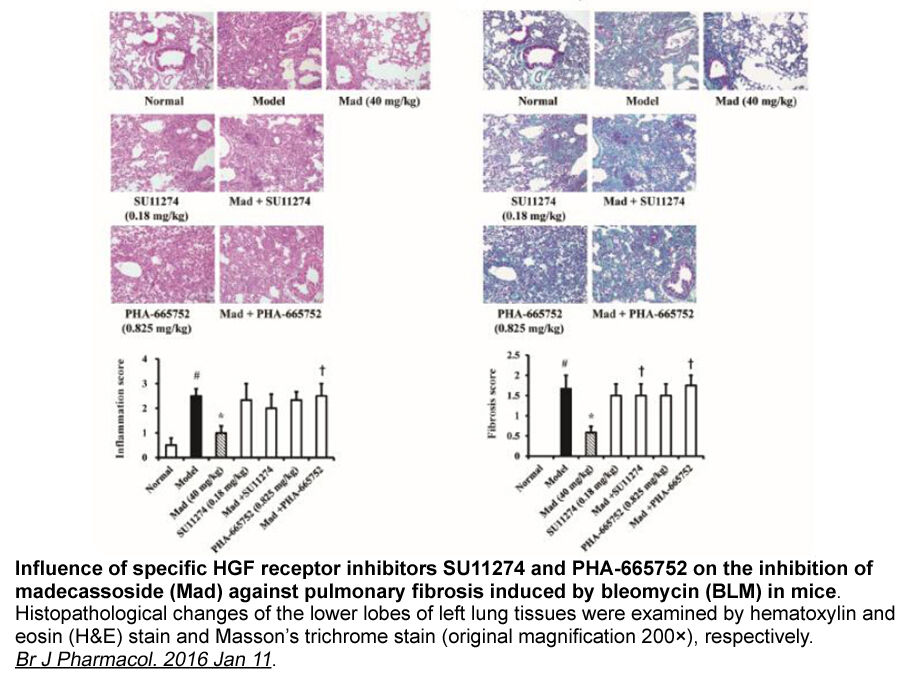
Materials and methods Results and discussion Conclusions Notes Declaration of interest statement Acknowledgment This work was supported by the National Natural Science Foundation of China (No. 21775132, 21505112), Scientific Research Foundation of Hunan Provincial Education Departm
-
Methods br Results br Discussion SV exocytosis from excitato
2021-12-07
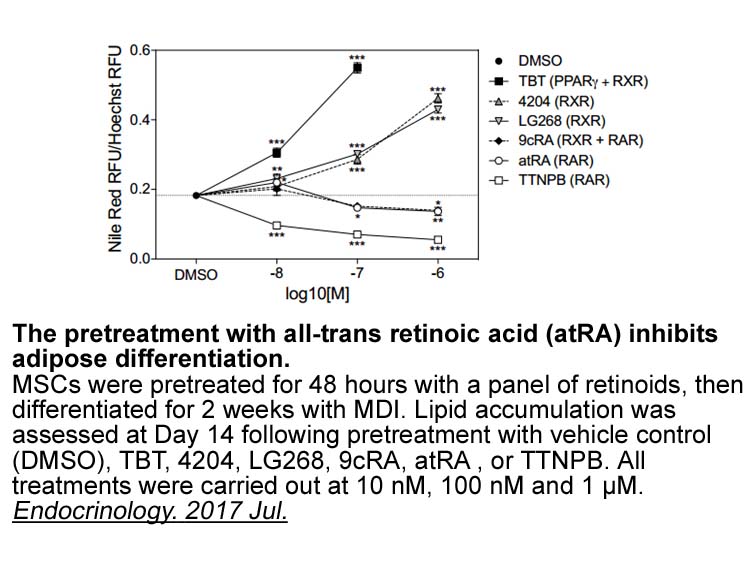
Methods Results Discussion SV exocytosis from excitatory boutons is more sensitive to inhibition by isoflurane than exocytosis from inhibitory boutons,4, 31 but the mechanism(s) of this synaptic selectivity is unknown. Although P/Q-type VGCCs contributed quantitatively more to SV exocytosis t
-
br cAMP cGMP effector systems in human platelets PKA
2021-12-07

cAMP/cGMP effector systems in human platelets (PKA, PKG, PDEs) In eukaryotic cells, the effects of intracellular cAMP are mediated by two types of cAMP-dependent protein kinases (PKA type I and II) and cAMP-regulated guanine nucleotide exchange factors (EPAC/cAMP-GEF) which activate the RAS GTPas
-
Further SAR was explored with
2021-12-07
Further SAR was explored with the imidazole series to achieve better enzyme inhibition activity (). In comparison to published earlier, replacing the amide with sulfonamide and reverse sulfonamide maintained the GSNOR inhibitory activity. It is clear that exchanging the phenyl ring (, and ) by thien
16000 records 528/1067 page Previous Next First page 上5页 526527528529530 下5页 Last page